
Pyramids As Machines: What Were They? (Part 2)
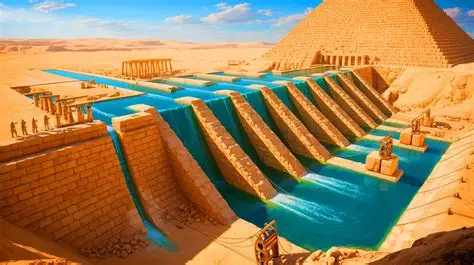
Pyramids as Machines: Function, Stone Circles, and a Shared Origin (Part 2 of 3) The idea of pyramids as machines emerges naturally once the burial narrative is set aside. In Part 1, we established why the pyramids of Egypt fail as tombs when evaluated through material, geometric, and economic logic. In Part 2, the investigation […]
Pyramids Not Tombs: What Were They? (Part 1)
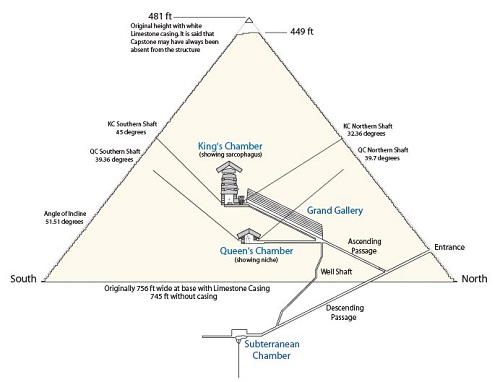
If They Weren’t Tombs, What Were the Pyramids? (Part 1 of 3) The question at the heart of the pyramids not tombs debate is no longer speculative—it is structural, mathematical, and engineering-based. In Part 1 of this three-part investigative series, we resume the conversation presented by Geoffrey Drumm and Matt Beall by confronting a foundational […]
Archeoastronomy: Ancient Civilizations Calendars

Archeoastronomy: How Ancient Civilizations Measured Time Archeoastronomy—the fascinating intersection of archaeology and astronomy—examines how prehistoric civilizations observed the skies to regulate their calendars, track seasons, and commemorate celestial events. Far from being abstract or purely ceremonial, these early astronomical practices were vital for survival, guiding agricultural cycles, hunting patterns, and ritual life. Defining Archeoastronomy The […]