
Barabar Caves Symmetry
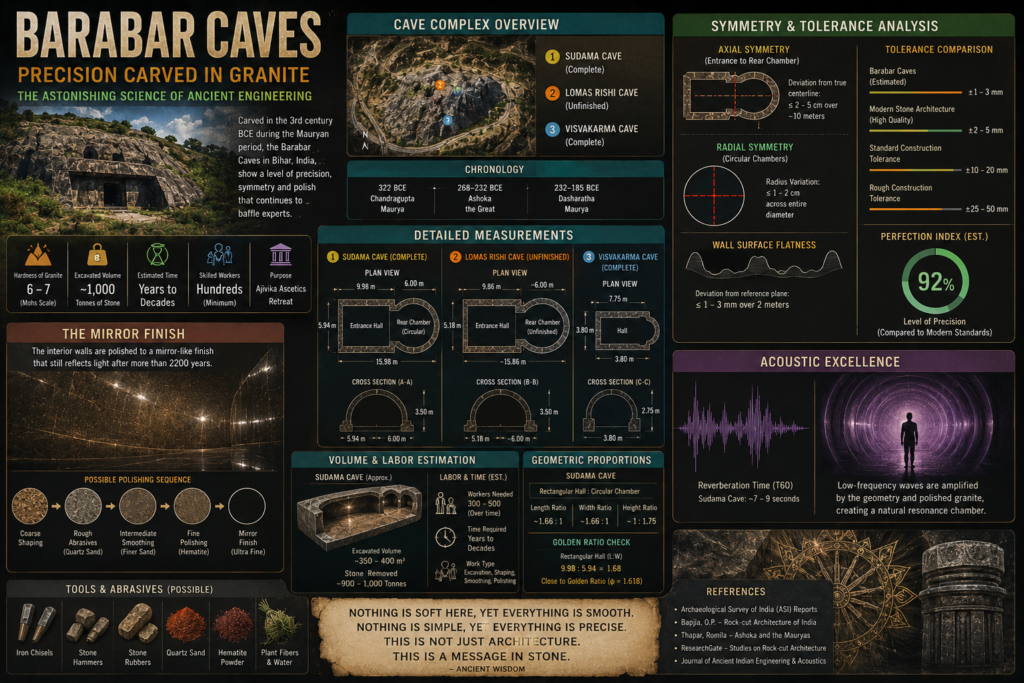
Barabar Caves Symmetry Barabar Caves represent one of the oldest surviving rock-cut cave complexes in India and are widely recognized for their extraordinary geometric precision. The Barabar Caves Symmetry provides one of the most measurable and verifiable aspects of these structures, revealing levels of geometric control that extend far beyond simple visual aesthetics. Carved during […]
Pyramids As Machines: What Were They? (Part 2)
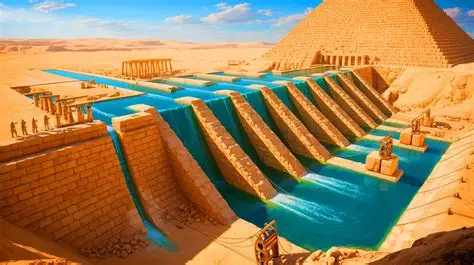
Pyramids as Machines: Function, Stone Circles, and a Shared Origin (Part 2 of 3) The idea of pyramids as machines emerges naturally once the burial narrative is set aside. In Part 1, we established why the pyramids of Egypt fail as tombs when evaluated through material, geometric, and economic logic. In Part 2, the investigation […]
Pyramids Not Tombs: What Were They? (Part 1)
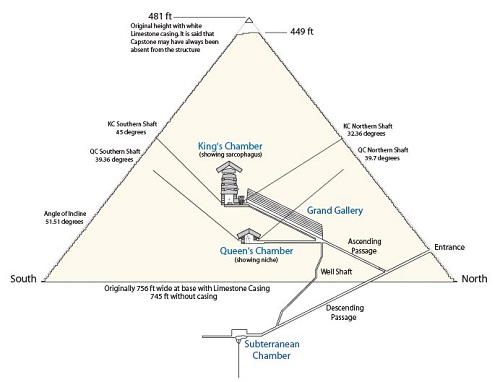
If They Weren’t Tombs, What Were the Pyramids? (Part 1 of 3) The question at the heart of the pyramids not tombs debate is no longer speculative—it is structural, mathematical, and engineering-based. In Part 1 of this three-part investigative series, we resume the conversation presented by Geoffrey Drumm and Matt Beall by confronting a foundational […]
Serapeum granite boxes measurements

Context: Why the Serapeum Defies Simple Explanation The Serapeum of Saqqara is often described as an underground burial complex. That label, however, fails to convey the true scale, material complexity, and engineering demands of the structure. What exists beneath the Saqqara plateau is not a collection of crude chambers, but a planned subterranean installation involving […]