
Ancient Energy Systems
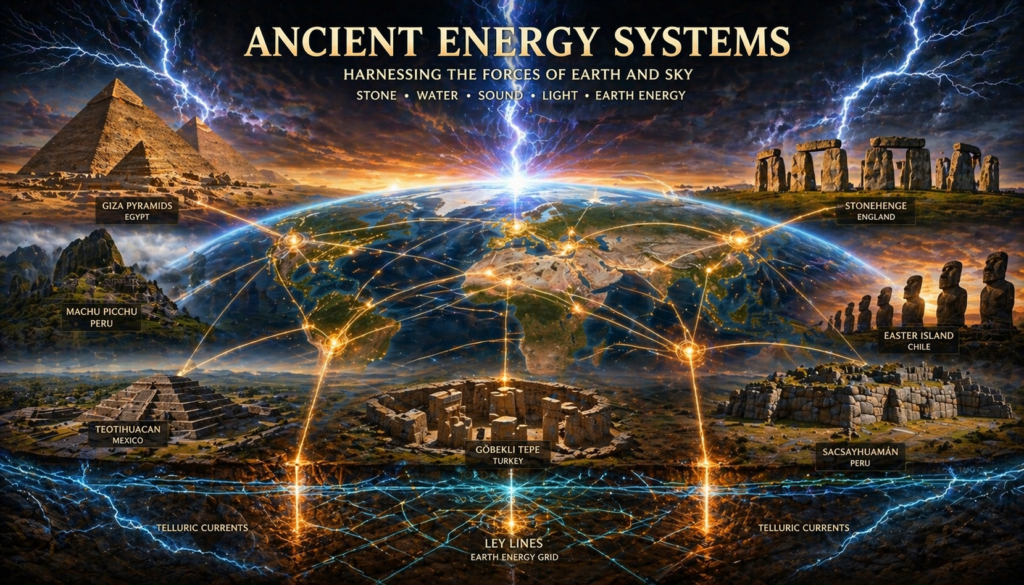
Reframing the Purpose of Ancient Structures The study of ancient energy systems begins with a fundamental reconsideration of purpose. For generations, monumental structures have been interpreted primarily as ceremonial, symbolic, or funerary in nature. While these interpretations are supported by cultural and archaeological context, they may not fully account for the physical characteristics observed across […]
Ancient Maps Anomaly: Evidence of a Lost Global Civilization
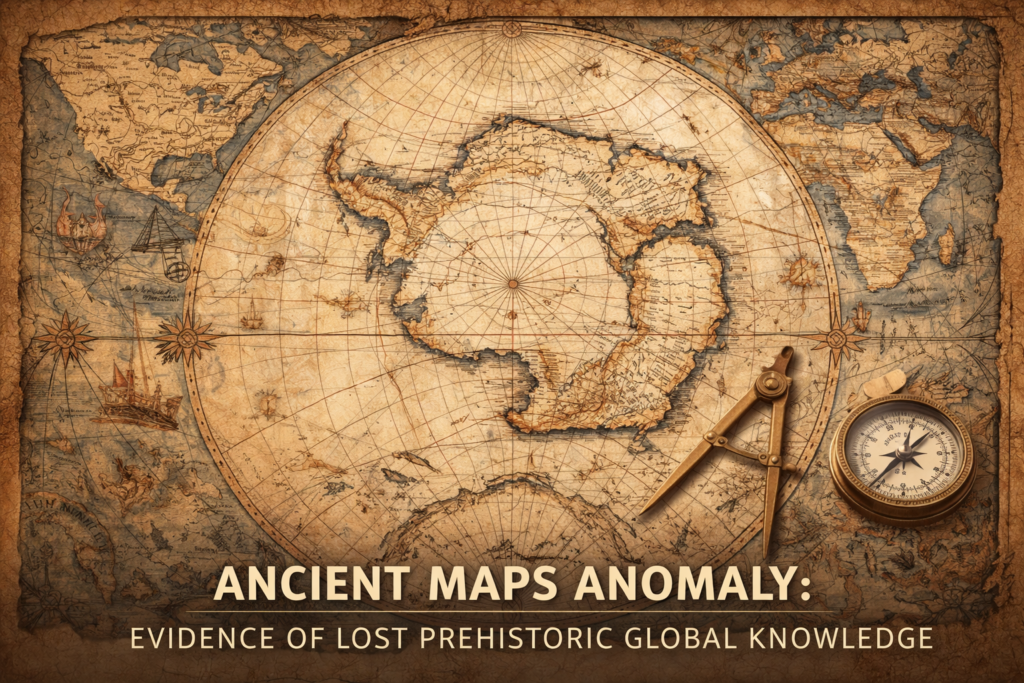
The ancient maps anomaly represents one of the most controversial and intellectually disruptive fields of historical investigation, because several medieval and early modern maps appear to preserve geographic knowledge that should not have existed according to the conventional timeline of exploration, raising profound questions about the possibility of a forgotten global civilization possessing advanced cartographic […]
Giant Humans Before the Younger Dryas

Giants Before the Younger Dryas. Environment, Oxygen, and the Forgotten Scale of Humanity The existence of giant animals before the Younger Dryas forces an uncomfortable reassessment of Earth’s late Ice Age environment. Mammoths, giant sloths, armored glyptodons, and oversized predators did not merely survive—they thrived. Their size was not marginal or pathological; it was systemic. […]
Great Pyramid True Purpose
Great Pyramid True Purpose: New Evidence from Science, Engineering, and Chemistry For over two centuries, mainstream archaeology has asserted that the Great Pyramid of Giza was built as a royal tomb. Yet this explanation collapses when confronted with measurable physical evidence, chemical residues, engineering design, and global technological parallels. The Great Pyramid true purpose emerges […]
Pyramids as Machines: Planetary Technology (Part 3)

Pyramids as Planetary Technology: Energy, Weather, and a Lost Global System (Part 3 of 3) The hypothesis of pyramids as planetary technology represents the unavoidable conclusion of the evidence presented across this three-part investigation. If the pyramids were not tombs, and if they functioned as engineered systems, then Part 3 confronts the final implication: these […]
Pyramids As Machines: What Were They? (Part 2)
Pyramids as Machines: Function, Stone Circles, and a Shared Origin (Part 2 of 3) The idea of pyramids as machines emerges naturally once the burial narrative is set aside. In Part 1, we established why the pyramids of Egypt fail as tombs when evaluated through material, geometric, and economic logic. In Part 2, the investigation […]
Pyramids Not Tombs: What Were They? (Part 1)
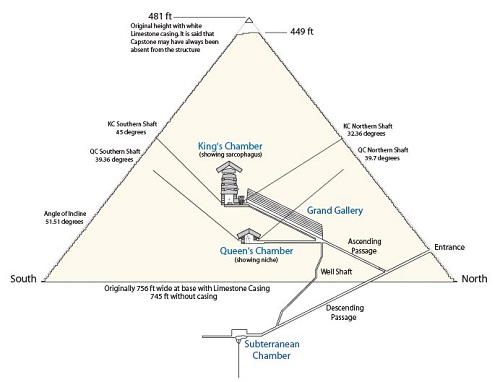
If They Weren’t Tombs, What Were the Pyramids? (Part 1 of 3) The question at the heart of the pyramids not tombs debate is no longer speculative—it is structural, mathematical, and engineering-based. In Part 1 of this three-part investigative series, we resume the conversation presented by Geoffrey Drumm and Matt Beall by confronting a foundational […]
Serapeum burial narrative collapse

Serapeum Burial Narrative Collapse Introduction — Why the Serapeum Burial Narrative Fails The Serapeum burial narrative describes the underground complex of Saqqara as a funerary installation dedicated to the sacred Apis bulls. However, when the Serapeum burial narrative is tested against measurable data—dimensions, weights, material properties, and precision tolerances—it becomes increasingly difficult to sustain. This […]
Serapeum granite boxes measurements

Context: Why the Serapeum Defies Simple Explanation The Serapeum of Saqqara is often described as an underground burial complex. That label, however, fails to convey the true scale, material complexity, and engineering demands of the structure. What exists beneath the Saqqara plateau is not a collection of crude chambers, but a planned subterranean installation involving […]
Serapeum measurement and geometry

Serapeum measurement and geometry The Serapeum measurement and geometry problem begins where conventional archaeology typically stops asking questions. The granite boxes beneath Saqqara are not only massive and difficult to manufacture, but geometrically consistent to a degree that demands explanation. When measurements are taken seriously, the burial narrative begins to fracture. This article examines what […]