Serapeum Burial Narrative Collapse
Introduction — Why the Serapeum Burial Narrative Fails
The Serapeum burial narrative describes the underground complex of Saqqara as a funerary installation dedicated to the sacred Apis bulls. However, when the Serapeum burial narrative is tested against measurable data—dimensions, weights, material properties, and precision tolerances—it becomes increasingly difficult to sustain. This investigation demonstrates why the Serapeum burial narrative collapses under quantitative scrutiny and why the structure instead exhibits the hallmarks of deliberate over-engineering.
Part I — Quantitative Analysis of the Serapeum Burial Narrative
Scale and Mass Problems in the Serapeum Burial Narrative
The Serapeum burial narrative must explain why each granite box assembly weighs between 60 and 65 metric tons, with walls exceeding 0.5 meters in thickness. Burial containers across cultures do not require this level of mass. From an engineering perspective, such dimensions represent structural redundancy, not ritual necessity.
Transporting Aswan granite over 800 kilometers, lowering it underground, and machining it in confined galleries multiplies effort exponentially. The Serapeum burial narrative offers no functional justification for this investment.
Precision That Undermines the Serapeum Burial Narrative
Measured data contradicts the Serapeum burial narrative:
-
Parallel internal walls maintained over 3+ meters
-
Sub-millimeter surface flatness
-
Internal corner radii of only a few millimeters
-
Orthogonal geometry verified across internal planes
Precision at this level is irrelevant to burial. The Serapeum burial narrative cannot explain why geometric control mattered so deeply.
Over-Engineering as Evidence Against the Serapeum Burial Narrative
Over-engineering is a diagnostic indicator. The Serapeum burial narrative fails because the structure exhibits:
-
Excessive wall thickness
-
Redundant precision
-
Standardized geometry repeated across multiple units
-
Tight tolerances in non-visible internal surfaces
In modern engineering, such characteristics indicate functional infrastructure, not symbolic architecture.
Chronological Tensions Within the Serapeum Burial Narrative
The granite boxes share measurable traits with Old Kingdom precision artifacts, yet are dated more than 1,000 years later. This inconsistency weakens the Serapeum burial narrative, especially since dating relies on associated objects rather than the granite boxes themselves.
Part II — Global Precision That Mirrors the Serapeum Burial Narrative Collapse
Egypt: Precision Beyond Burial
-
Great Pyramid granite chambers
-
Sub-millimeter flatness
-
Orthogonal geometry in confined spaces
-
-
Valley Temple of Khafre
-
Megalithic blocks with tight tolerances
-
These characteristics echo the same engineering logic that undermines the Serapeum burial narrative.
Peru: Over-Engineering Without Explanation
-
Sacsayhuamán
-
Polygonal masonry with seismic precision
-
-
Ollantaytambo
-
Precision-cut andesite blocks transported across mountains
-
As with the Serapeum, burial explanations fail to justify the engineering effort.
Europe: Megalithic Precision at Impossible Scales
-
Baalbek
-
Trilithon stones exceeding 800 tons
-
-
Stonehenge
-
Long-distance stone transport and astronomical alignment
-
Symbolism alone does not explain this level of precision.
Asia: Engineered Stone Environments
-
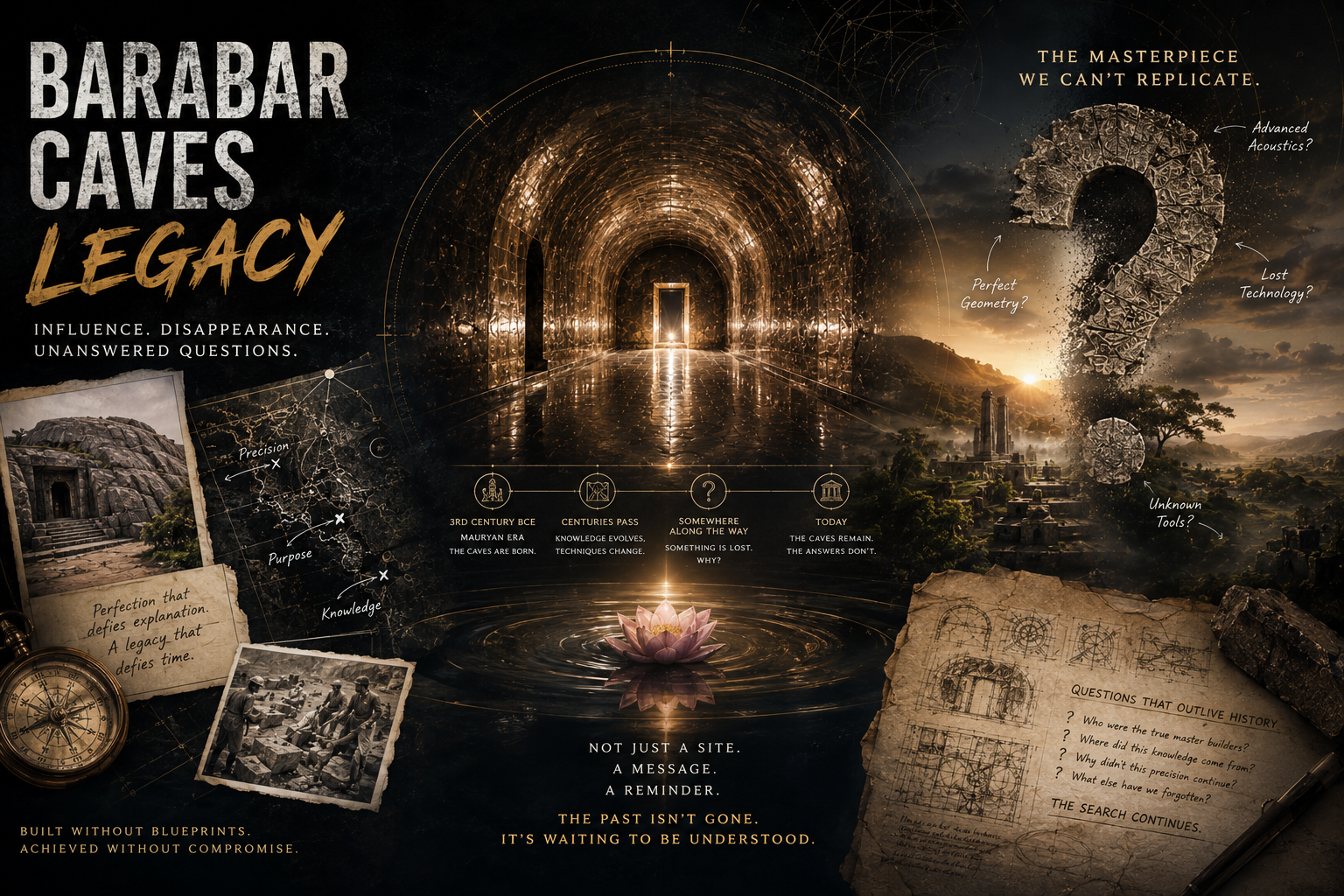
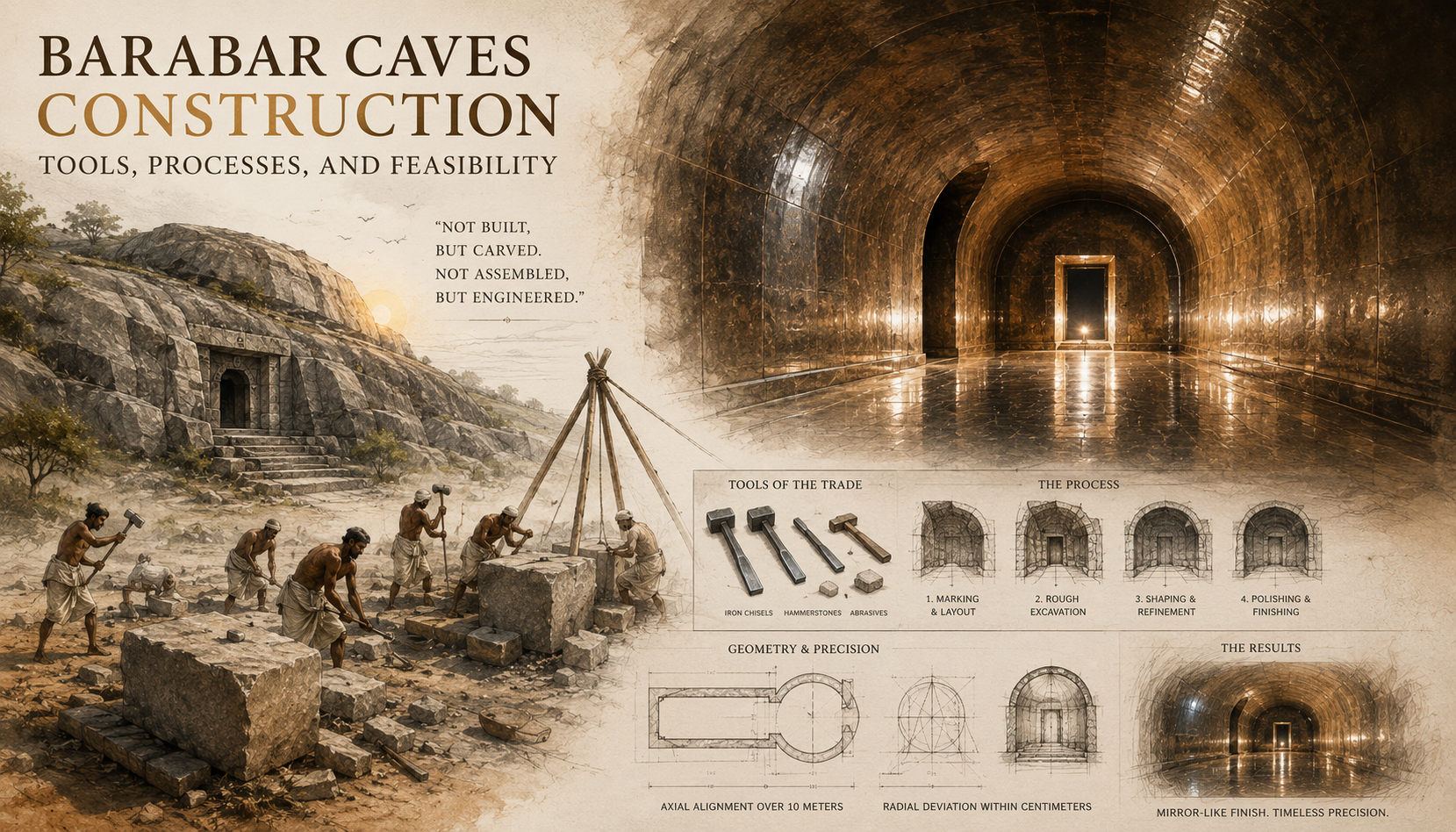
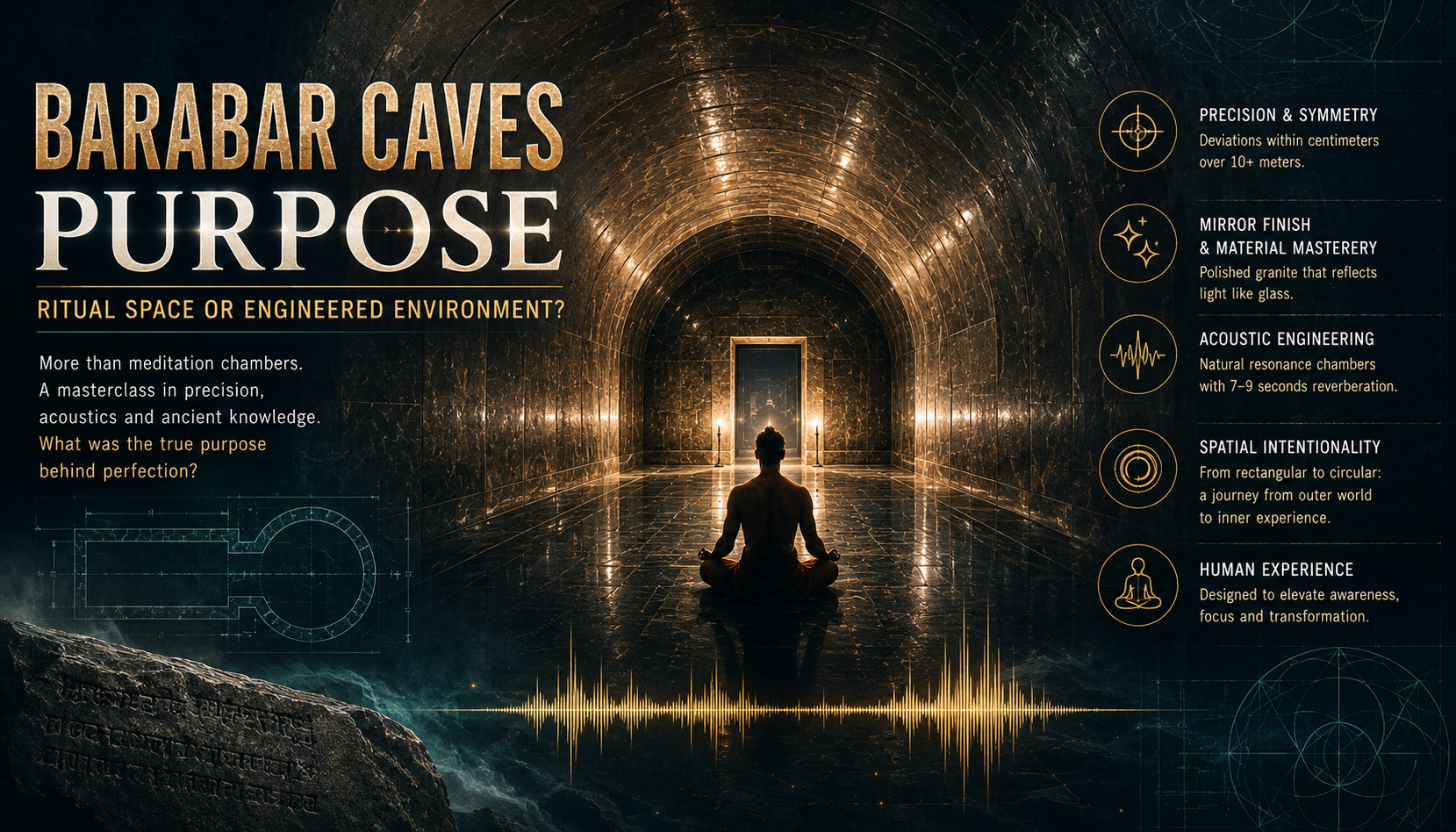
Barabar Caves (India)
-
Mirror-polished granite interiors
-
-
Longmen Grottoes (China)
-
Large-scale geometric excavation
-
The same pattern emerges: precision without a convincing narrative.
Shared Characteristics That Challenge the Serapeum Burial Narrative
Across continents, the same anomalies appear:
-
Extreme material hardness
-
Precision in hidden surfaces
-
Over-engineered geometry
-
Repeatable design logic
-
No functional explanation within mainstream archaeology
These features mirror the failures of the Serapeum burial narrative.
Conclusion — Why the Serapeum Burial Narrative Cannot Stand
The Serapeum burial narrative collapses when confronted with numbers, measurements, and physical reality. Precision is not accidental. Over-engineering is not symbolic. When these traits appear repeatedly—locally and globally—they indicate lost functional knowledge, not ritual excess.
The Serapeum is best understood not as a cemetery, but as part of a broader class of ancient structures that demand engineering-based reinterpretation. The evidence is not speculative. It is carved into stone.


Additional reading and sources:
-
Christopher Dunn — Advanced Machining in Ancient Egypt (link)
-
Christopher Dunn — The Giza Power Plant (link)
-
Flinders Petrie — Tools and Methods of the Stone Age (link)
- The Land of Chem (link)
-
Ancient360 Serapeum Mystery (link)
- Ancient360 Serapeum Precision Machining (link)
- Ancient360 Serapeum Box Function (link)
- Ancient360 Serapeum Box Function 2 (link)
- Ancient360 Serapeum Unfinished Box (link)
- Ancient360 Serapeum Logistics Paradox (link)
- Ancient360 Serapeum Lost Technology (link)
- Ancient360 Serapeum Energy and Resonance (link)
- Ancient360 Serapeum Global Resonance (link)
- Ancient360 Serapeum Measurement and Geometry (link)
- Ancient360 Serapeum Granite Box Measuements (link)