
Geometry of the Pyramids and Earth Scaling

The Question of Placement The geometry of the pyramids and Earth scaling is not simply a topic of architectural curiosity, but a gateway into a deeper understanding of how ancient civilizations may have perceived the planet itself. When we examine the Great Pyramid of Giza through this lens, we are no longer looking at a […]
Ancient Resonant Chambers: Stone and Sound Technology

Ancient Resonant Chambers: Acoustic Engineering in Megalithic Architecture The Mystery of Ancient Resonant Chambers Ancient resonant chambers represent one of the most intriguing and understudied features of early monumental architecture, revealing how ancient civilizations may have intentionally designed enclosed spaces to manipulate sound, vibration, and human perception. From subterranean stone rooms and temple corridors to […]
Submerged Caribbean City — 6000 Year Underwater Discovery
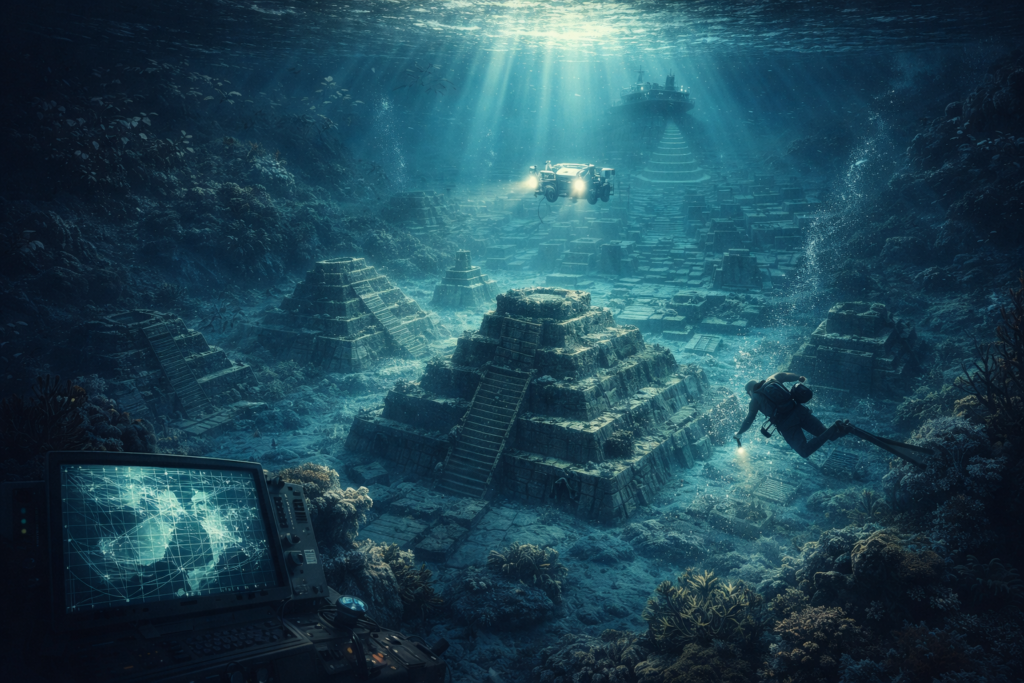
Submerged Caribbean City — 6000 Year Underwater Discovery The submerged Caribbean city discovery has become one of the most controversial and fascinating underwater archaeological findings of the modern era, raising profound questions about human antiquity, ancient engineering capabilities, and the possibility that complex civilizations existed far earlier than conventional historical timelines suggest. According to reports, […]
Ancient Engineering Tolerances

Precision Beyond Expectation The concept of ancient engineering tolerances refers to the extraordinary degree of geometric accuracy observable in megalithic structures worldwide, where massive stone blocks weighing dozens or hundreds of metric tons (tens or hundreds of thousands of pounds) are fitted together with joints so precise that gaps are often less than a millimeter […]
Great Pyramid True Purpose
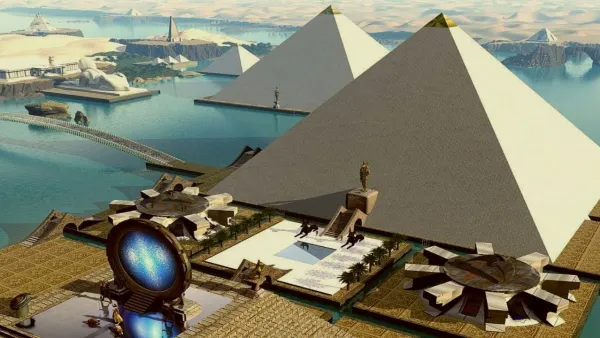
Great Pyramid True Purpose: New Evidence from Science, Engineering, and Chemistry For over two centuries, mainstream archaeology has asserted that the Great Pyramid of Giza was built as a royal tomb. Yet this explanation collapses when confronted with measurable physical evidence, chemical residues, engineering design, and global technological parallels. The Great Pyramid true purpose emerges […]
Pyramids as Machines: Planetary Technology (Part 3)

Pyramids as Planetary Technology: Energy, Weather, and a Lost Global System (Part 3 of 3) The hypothesis of pyramids as planetary technology represents the unavoidable conclusion of the evidence presented across this three-part investigation. If the pyramids were not tombs, and if they functioned as engineered systems, then Part 3 confronts the final implication: these […]
Pyramids As Machines: What Were They? (Part 2)
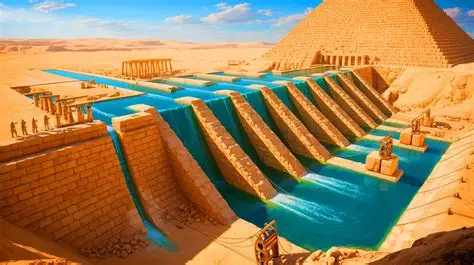
Pyramids as Machines: Function, Stone Circles, and a Shared Origin (Part 2 of 3) The idea of pyramids as machines emerges naturally once the burial narrative is set aside. In Part 1, we established why the pyramids of Egypt fail as tombs when evaluated through material, geometric, and economic logic. In Part 2, the investigation […]
Pyramids Not Tombs: What Were They? (Part 1)
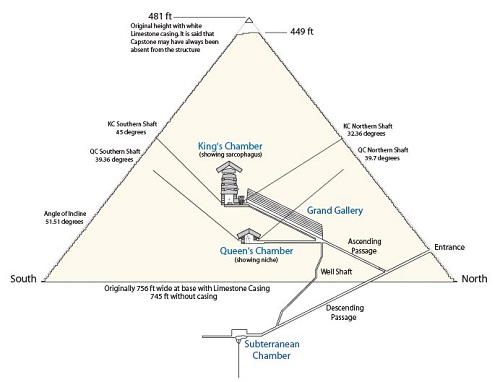
If They Weren’t Tombs, What Were the Pyramids? (Part 1 of 3) The question at the heart of the pyramids not tombs debate is no longer speculative—it is structural, mathematical, and engineering-based. In Part 1 of this three-part investigative series, we resume the conversation presented by Geoffrey Drumm and Matt Beall by confronting a foundational […]
Serapeum energy and resonance

Serapeum energy and resonance The Serapeum energy and resonance hypothesis has gained increasing attention as engineers, physicists, and independent researchers confront a fundamental problem: the classical burial narrative fails to explain the physical reality of the site. The massive granite boxes beneath Saqqara exhibit characteristics that align more closely with engineered systems than funerary architecture. […]
Serapeum lost technology

The Serapeum lost technology question emerges naturally once logistics, precision, and unfinished work are examined together. If the granite boxes of Saqqara required capabilities beyond simple copper tools and human muscle, then the discussion must shift from isolated techniques to broader technological systems. The issue is not whether the ancient Egyptians were skilled—they clearly were—but […]