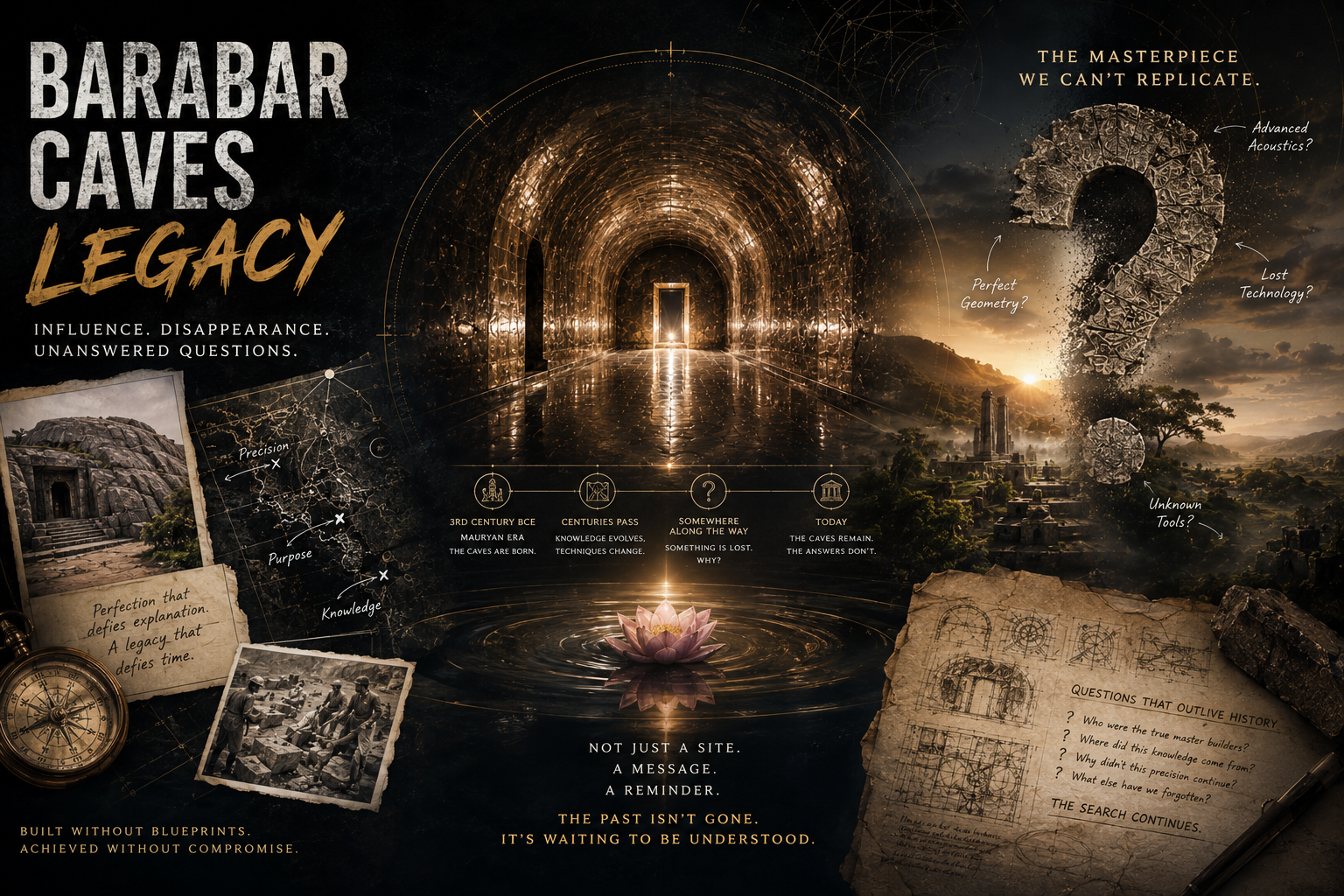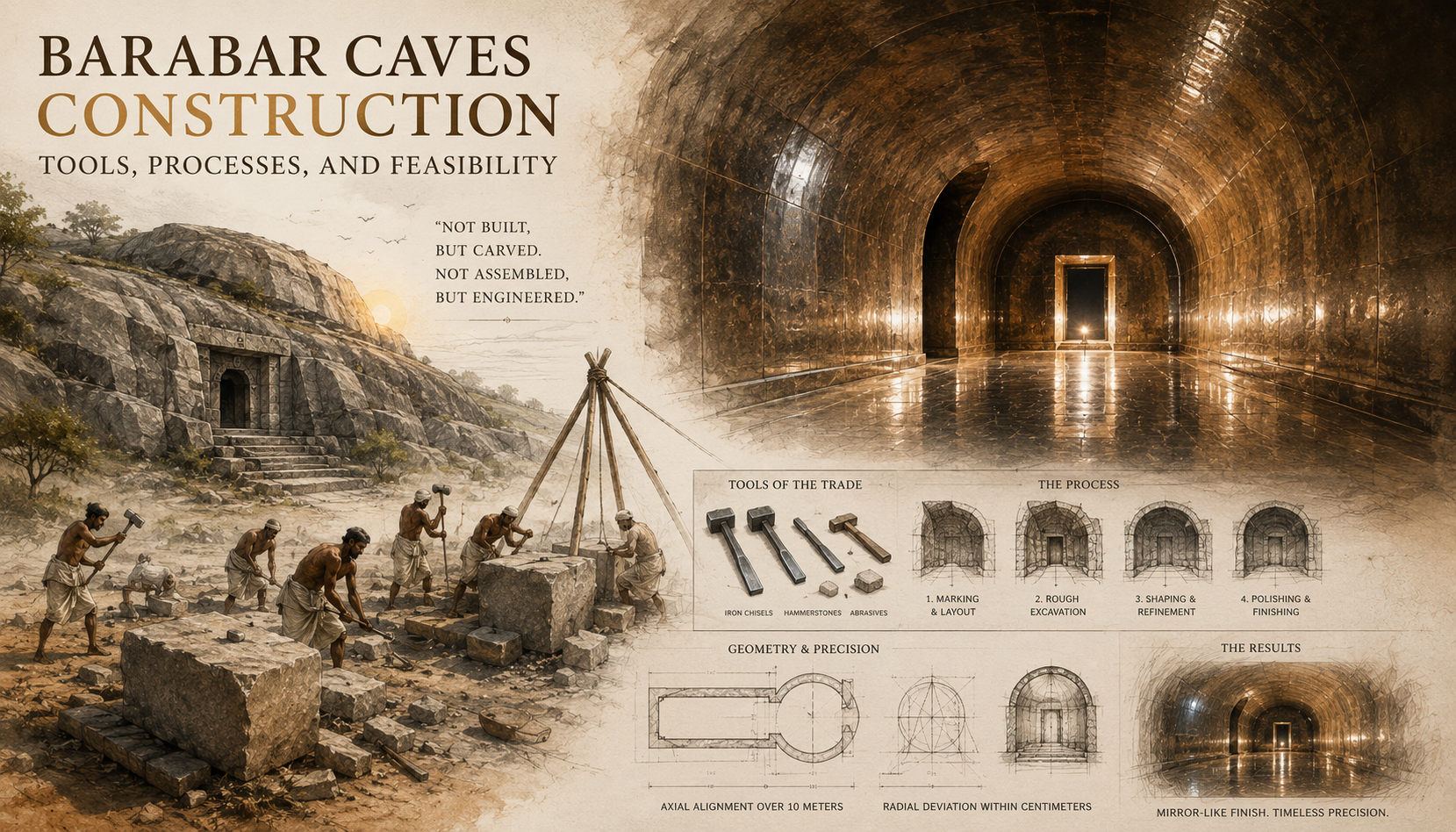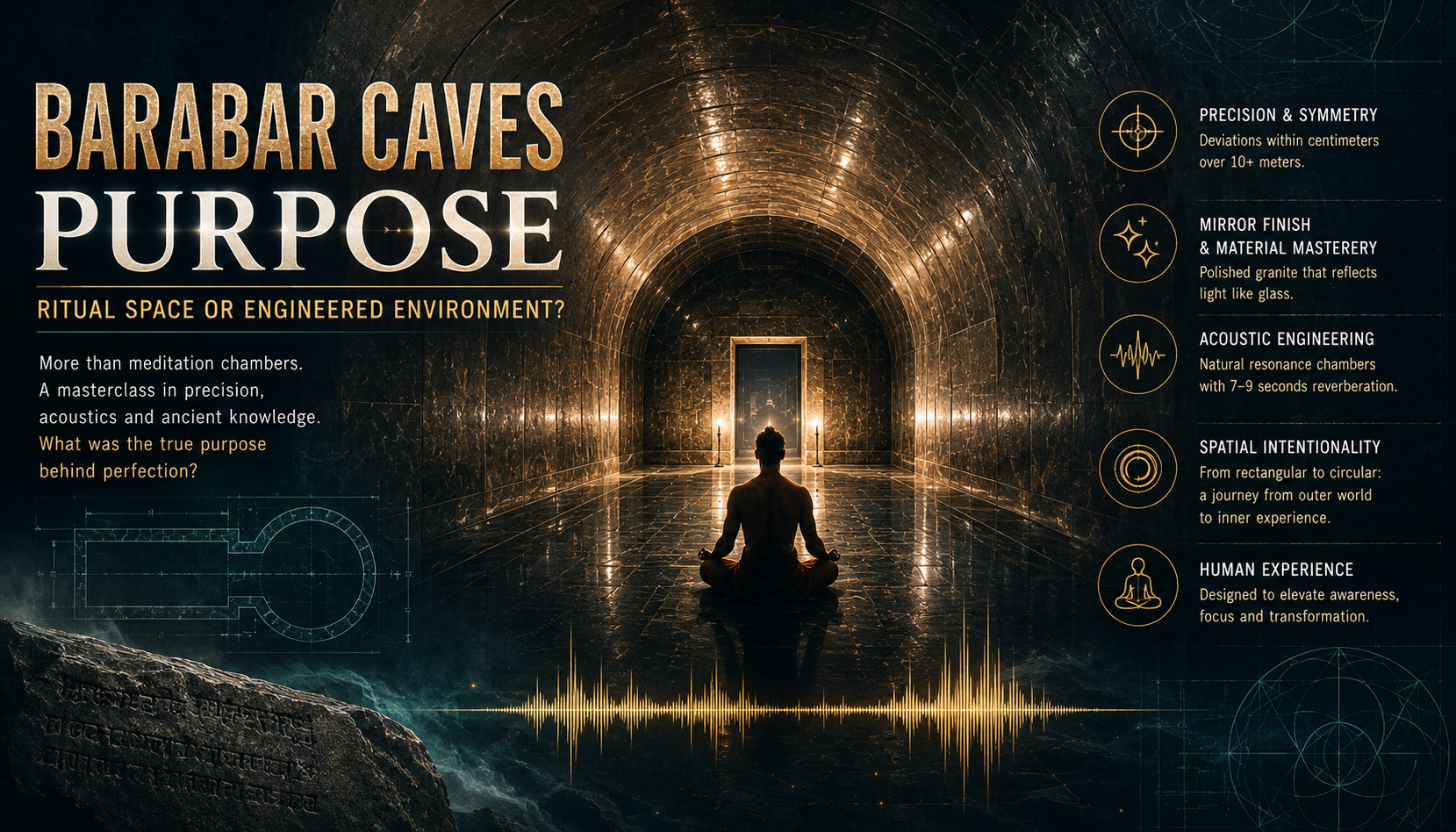
The Serapeum mystery has long challenged archaeologists and engineers alike. Hidden beneath the Saqqara plateau, the Serapeum presents a logistical and architectural puzzle that raises deeper questions about ancient capabilities than most mainstream narratives acknowledge. As Ancient360 begins this new ten-part series, we connect this investigation to earlier analyses such as Cart Ruts: Global Mystery and Functions and Behavior to understand whether the Serapeum fits into a broader global pattern of unexplained precision.
Geographic Context and the Serapeum Mystery in Setting
Located at 29°52′16″N, 31°12′58″E, the Serapeum lies in a limestone bedrock environment ideal for long-term structural stability. Despite being a subterranean site with no cart-rut features, the Serapeum mystery echoes other global anomalies documented by Ancient360 (Azores Underwater Ruts). Its combination of massive stonework, precision cuts, and underground logistics places it among the world’s most enigmatic engineered environments.
Physical Characteristics and the Mystery of the Granite Boxes
The heart of the Serapeum mystery lies in its 24 enormous granite boxes, each weighing 70–100 tons and carved with mechanical-level precision. These boxes feature:
-
Sharp internal angles
-
Smooth, highly consistent surfaces
-
Lids weighing up to 30 tons
-
Minimal installation damage despite tight underground corridors
The level of precision resembles techniques seen in other high-anomaly sites, raising questions about the true processes behind their creation.
Mainstream Explanations vs. the Serapeum Mystery’s Anomalies
Mainstream View
The Serapeum served as a burial place for sacred Apis bulls, with the granite boxes transported using manpower, sledges, and lubrication.
Contradictions
-
Sledge transport seems incompatible with corridor geometry
-
Tool marks suggest uniform, machine-like abrasion
-
Several boxes were found empty or sealed with no remains
-
Structural alignment appears intentional yet unexplained
These contradictions mirror issues raised in Farmers Scratching a Living?, where accepted narratives fail to explain physical evidence.

Alternative Interpretations of the Serapeum Mystery
1. Advanced Engineering Hypothesis
Uniform precision suggests possible use of abrasive techniques, mechanical cutting, or rotational tools not associated with conventional Bronze Age technology.
2. Ritual vs. Functional Debate
With many boxes empty, the Serapeum may represent symbolic architecture rather than a burial complex.
3. Geological and Multi-Phase Construction Theory
Geological studies hint at the possibility that later dynasties reused earlier, technologically superior structures.
4. Cultural Continuity or Lost Knowledge
Some researchers suspect the Serapeum preserves knowledge from an earlier culture, predating dynastic Egypt.
LiDAR and high-resolution photogrammetry continue to refine these interpretations.
Global Connections and Pattern Recognition
Across studies like Worldwide: A Common Culture and Lost Civilizations, researchers have identified recurring traits:
-
Massive stone logistics
-
Industrial-level precision
-
Architectural exactness across continents
The Serapeum mystery adds weight to the idea that ancient engineering knowledge may have been more widespread and consistent than current models allow.
What Recent Research Reveals
New digital analysis shows:
-
Dimensional tolerances under 0.5 mm
-
Consistent surface precision suggestive of controlled cutting
-
Corridor alignment patterns tied to the wider Saqqara grid
-
Micro-abrasion consistent with hard, smooth contact surfaces
These findings increase pressure to reassess long-held assumptions.
Key Questions for Future Investigation
-
How were 100-ton granite boxes transported underground with near-perfect precision?
-
Why do certain boxes lack any funerary evidence?
-
Do alignment patterns reflect engineering, ritual, or symbolic intent?
-
Is the Serapeum a single-phase structure or the product of multiple technological eras?
-
What global parallels reinforce the possibility of a shared ancient engineering tradition?

Conclusion
The Serapeum mystery remains one of the most compelling case studies in ancient engineering. Its precision, logistics, and anomalies force a reevaluation of long-accepted narratives. As we continue this ten-part series, Article #2 will take us to Sardinia, where further megalithic clues may broaden our understanding of ancient capabilities.
Sources & Further Reading
-
Ancient Temples of Sound and Stars link
-
Harmonics of Stones: Resonance, Energy, the Human Body link
-
Alchemists of Stones. Heat, Fire, Transmutation link
-
Resonance & Stone. The Hidden Technology of Sound link
-
Forgotten Engineers. Builders Beyond Time link
-
Orion Blueprint of the Gods link
External Sources
-
Petrie, W. M. F. The Serapeum of Memphis. link
-
Lehner, M. The Complete Pyramids.
-
Wilkinson, T. Early Dynastic Egypt.
-
Egyptian Geological Survey Reports
-
Digital Saqqara Project (Laser Scanning Data) link
-
Isler, M. “Transport Mechanisms in Ancient Egypt.” JEA