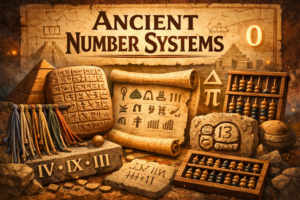
Ancient Number Systems: From Counting Stones to Sacred Architecture
The study of ancient number systems unveils a hidden narrative of human cognition, where the act of counting was inseparable from the desire to understand the cosmos. Long before modern mathematics crystallized into abstract formulas, early humans encoded meaning into numbers as tools of measurement, calculation, and cosmological alignment. These early numerical representations served not only to organize daily life but also to articulate spiritual, religious, and astronomical observations, laying the groundwork for the complex systems of sacred geometry, temple construction, and calendrical calculation that would dominate civilizations across the globe. From the tally marks on bones and shells in prehistoric sites to the sophisticated numeric symbols carved into Egyptian papyri and Mesopotamian clay tablets, the emergence of ancient number systems reflects both practical necessity and metaphysical inquiry.
Across Mesopotamia, Egypt, India, and China, scholars and priesthoods interpreted numbers as mirrors of the universe. Numerical sequences governed the construction of monumental architecture, the timing of agricultural cycles, and the observation of celestial bodies. In this sense, ancient number systems are inseparable from the development of archeoastronomy, sacred geometry, and the numerological traditions that permeated religious practices. This article explores the origins, evolution, and enduring influence of these systems, highlighting their role in shaping human understanding of the cosmos, time, and space.
Ancient Number Systems in Mesopotamia
Mesopotamia, often called the cradle of civilization, provides some of the earliest documented evidence of structured numerical systems. As early as the late 4th millennium BCE, Sumerian scribes developed a sexagesimal (base-60) system written in Cuneiform on clay tablets, enabling complex record-keeping for trade, taxation, and land measurement. Modern scholarship, including the work of historian Denise Schmandt-Besserat, has demonstrated that the system evolved from much earlier clay counting tokens used for economic accounting between roughly 8000–3000 BCE, gradually leading to abstract numerical notation on tablets. Archaeological discoveries from sites such as Uruk reveal thousands of administrative tablets that illustrate how numbers became essential for managing large temple economies and urban populations. Mesopotamian astronomer-priests later applied this numerical framework to celestial observations, producing detailed astronomical records preserved in texts like the Mul.Apin and the planetary tables recorded during the Neo-Babylonian period. Studies of these tablets show that scholars used base-60 mathematics to calculate lunar periods, planetary motions, and eclipse cycles with remarkable precision, laying foundations for later Greek and Islamic astronomy. The legacy of this system remains visible today in 60-minute hours, 60-second minutes, and the 360-degree circle, enduring reminders of Mesopotamian mathematical innovation.
-
Key Takeaways:
-
Sexagesimal system influenced modern time and geometry
-
Early numerical tokens evolved into complex astronomical records
-
Temple orientation often depended on numeric calculations
-
Internal link: Archeoastronomy in Mesopotamia
Ancient Number Systems in Egypt
Ancient Egypt developed a distinctive numerical system written through hieroglyphic symbols, which were widely used in administration, engineering, taxation, and religious inscriptions. These numerals appear throughout temple walls, papyri, and architectural plans, demonstrating that mathematics was deeply integrated into both practical governance and sacred symbolism. Texts such as the Rhind Mathematical Papyrus (c. 1650 BCE) and the Moscow Mathematical Papyrus reveal that Egyptian scribes had a sophisticated understanding of geometry, fractions, and proportional calculation used in construction and land surveying. Archaeological and architectural studies of the Great Pyramid of Giza indicate extremely precise measurements and alignments with the cardinal directions, suggesting advanced surveying methods and careful numerical planning. Measurement systems such as the royal cubit, preserved in artifacts like the Maya Cubit Rod, standardized building practices and may have been informed by astronomical observations related to the annual flooding of the Nile and the rising of the star Sirius. Modern researchers in Egyptology and archaeoastronomy have also examined temple orientations and ceremonial pathways, finding that many structures were intentionally aligned with solar events such as solstices and equinoxes, illustrating how mathematics, astronomy, and religious symbolism were closely interconnected in Egyptian culture.
-
Key Takeaways:
-
Hieroglyphic numbers encoded religious and cosmic meaning
-
Cubit and measurement units derived from astronomical observation
-
Temple and pyramid layouts reflected numeric and geometric principles
-
Internal link: Sacred Geometry in Ancient Architecture
Ancient Number Systems in India
The Indian subcontinent contributed significantly to the evolution of numerical abstraction, most notably through the development of the decimal place-value system, which later became the foundation of modern arithmetic. Archaeological evidence from the Indus Valley Civilization (c. 2600–1900 BCE) includes inscribed seals, standardized weights, and counting marks that suggest organized systems of measurement used in trade, urban planning, and administration. While the Indus script remains undeciphered, scholars in Indology note that the civilization’s consistent weight ratios and grid-based city layouts indicate a sophisticated numerical culture. By the early centuries CE, Indian mathematicians had formalized the decimal positional system and the concept of zero, a development often attributed to scholars such as Aryabhata and later explained in detail by Brahmagupta in the 7th century. Ancient Indian texts such as the Surya Siddhanta reveal advanced astronomical calculations used to track planetary motion, eclipses, and the cycles of the Sun and Moon. Within the broader context of Vedic tradition, numbers were also integrated into ritual structures, poetic meters, and cosmological models, reinforcing the idea that numerical order reflected the rhythmic structure of the universe.
-
Key Takeaways:
-
Decimal place-value system originated in India
-
Numbers were linked to lunar and solar cycles
-
Mathematical symbolism was embedded in Vedic rituals
-
Internal link: Cycles of Time in Geometry and Civilization
Ancient Number Systems in China
Ancient China developed numerical systems that played essential roles in administration, astronomy, philosophy, and divination. Some of the earliest numerical inscriptions appear on oracle bones from the Shang Dynasty, where carved symbols and tally marks recorded divinatory questions, ritual events, and calendrical information. These inscriptions reveal that numbers were used to track cycles of days, lunar phases, and ceremonial offerings, demonstrating the close relationship between mathematics and ritual practice. Classical Chinese philosophy further integrated numerical symbolism through texts such as the I Ching (Book of Changes), which organizes knowledge through 64 hexagrams composed of combinations of broken and unbroken lines representing the interaction of Yin and Yang. Modern scholars in Sinology have noted that this hexagram structure resembles a binary numerical system, a concept famously explored by mathematician Gottfried Wilhelm Leibniz when he encountered the I Ching in the 17th century. Numerical cosmology also influenced Chinese architecture and urban planning: imperial capitals, palaces, and temples were often arranged according to symbolic numbers such as 5, 9, and 12, reflecting cosmological models like the Five Elements and the belief that earthly order should mirror celestial harmony.
-
Key Takeaways:
-
Oracle bones reveal early numeric records and divination
-
I Ching encodes binary and cyclical patterns
-
Architectural planning intertwined with numeric and cosmological principles
-
Internal link: Sacred Orientation and Cosmic Alignment
Ancient Number Systems in the Maya Civilization
The Maya developed one of the most sophisticated numerical systems in pre-Columbian America. Their system was vigesimal (base-20) and included a symbol for zero, one of the earliest known in human history, which allowed complex calculations for astronomy and calendar keeping. The Maya used numbers extensively in rituals, astronomical tables, and monumental inscriptions, including stelae and temple carvings. Their famous Long Count calendar relied on these numerical principles to track cycles of thousands of years with remarkable precision. Studies of the Maya codices and inscriptions, such as those documented by scholars like David Stuart, show that numbers were deeply intertwined with religious, cosmological, and agricultural cycles. Numerical literacy was therefore essential for maintaining political authority, predicting celestial events, and planning ceremonial life.
Key Takeaways
-
The Maya used a base-20 system with zero, enabling complex calculations
-
Numbers structured calendars, astronomy, and rituals
-
Inscriptions and monuments encode cosmic cycles and historical events
Ancient Number Systems in the Aztec Civilization
The Aztecs employed a numerical system built on base-20 principles similar to the Maya but adapted for administrative, calendrical, and tribute-recording purposes. Numbers were represented using dots and bars, along with symbols for larger values, facilitating the management of population, agricultural taxes, and temple offerings. The Aztec tonalpohualli (260-day ritual calendar) and xiuhpohualli (365-day solar calendar) relied on precise counting and numeric correlations to coordinate ceremonies and agricultural activities. Codices such as the Codex Mendoza illustrate the use of numbers in recording tribute from conquered regions, reflecting both administrative efficiency and spiritual symbolism. Scholars in Mesoamerican studies note that Aztec number systems were intimately connected to cosmology, linking days, deities, and ritual events through precise numeric relationships.
Key Takeaways
-
The Aztecs used base-20 numeric notation for administration, tribute, and calendars
-
Ritual and solar calendars relied on numeric cycles to align ceremonies with cosmic events
-
Numbers connected governance, religion, and cosmology
Ancient Number Systems in the Inca Civilization
The Inca did not develop a written script but created a highly sophisticated numerical system using quipus, knotted strings that recorded numbers and information. Each cord represented different place values, and knots indicated quantities, allowing the Incas to manage census data, agricultural production, and resource distribution across their vast empire. Scholars such as Gary Urton have demonstrated that quipus encoded both numeric and possibly narrative information, showing that numbers served practical, administrative, and possibly symbolic purposes. Inca engineers also applied numeric knowledge to architecture, using standardized measurements and proportional designs for temples, roads, and terraces. Astronomy influenced Inca numeric practice as well, with solar and lunar cycles guiding agricultural planning and ceremonial events. Despite the lack of conventional writing, Inca numbers effectively bridged administration, astronomy, and social organization.
Key Takeaways
-
Quipus enabled complex numeric record-keeping without written text
-
Numbers structured administration, resource management, and census data
-
Astronomical cycles informed agriculture, rituals, and architectural planning
Ancient Number Systems in Phoenicia
The Phoenicians developed a numerical system primarily for trade, commerce, and maritime navigation. Phoenician numbers were largely additive, using distinct symbols to represent units, tens, hundreds, and thousands, which facilitated quick calculations in marketplaces and shipping records. Their system was closely tied to their alphabetic script, making it practical for inscriptions on trade documents, ledgers, and shipping logs. Scholars have noted that Phoenician merchants applied these numbers for calculating weights, measures, and exchange rates, supporting their extensive Mediterranean trade networks. The portability and simplicity of the Phoenician numerical method helped influence later systems in Greece and Rome, demonstrating how practical commerce drove early numeric innovation. Numbers in Phoenician society were therefore both functional and a vehicle for broader cultural influence across the ancient world.
Key Takeaways
-
Phoenician numbers were additive and practical for trade and navigation
-
The system was closely linked to the alphabetic script
-
Numerical innovation influenced later Mediterranean civilizations
Ancient Number Systems in Rome
The Romans adopted a numeral system that was largely symbolic and additive, known today as Roman numerals (I, V, X, L, C, D, M). Roman numbers were widely used for record-keeping, architecture, military organization, and legal documents, but lacked positional value or a zero, limiting their capacity for large-scale calculations. Despite these limitations, the Romans used numbers creatively in engineering, aqueduct construction, and calendar management, demonstrating an applied understanding of arithmetic and geometry. The influence of Roman numerals persists today in clocks, monuments, and numbered sequences, reflecting their lasting cultural legacy. Historical studies, including analyses of inscriptions on monuments such as the Colosseum, show that numbers were both practical and symbolic, marking years, editions, and ceremonial events. Roman numerical practices illustrate the transition from practical counting systems to tools embedded in law, governance, and public life.
Key Takeaways
-
Roman numerals were additive and non-positional
-
Numbers were essential for administration, construction, and timekeeping
-
Roman numerals remain a cultural and symbolic legacy
Sacred Geometry and Ancient Number Systems
Across many ancient cultures, numerical systems formed the foundation of what is now called sacred geometry—the study of geometric patterns believed to reflect universal order. Mathematical relationships such as the Golden Ratio, Pythagorean Theorem triples, and sequences related to the Fibonacci Sequence appear repeatedly in architectural and artistic traditions. Researchers in Archaeoastronomy and architectural history have identified proportional relationships in structures such as the Great Pyramid of Giza and other monumental sites, suggesting that ancient builders applied sophisticated geometric planning in their designs. These proportions were often linked to observations of celestial cycles, including the movements of the Sun, Moon, and prominent stars, integrating mathematical order with cosmological symbolism. The tradition of relating numbers to geometry was also strongly developed in the teachings of Pythagoras, whose followers believed that numerical ratios governed harmony in music, architecture, and the structure of the cosmos. Although modern scholarship debates the extent to which all monuments intentionally encode specific mathematical constants, it is widely accepted that ancient architects used carefully calculated proportions to achieve structural stability, aesthetic harmony, and symbolic alignment with natural cycles.
-
Key Takeaways:
-
Numbers serve as bridge between mathematics and sacred symbolism
-
Golden ratio and Pythagorean relationships found in monuments
-
Structures encode cosmic and numerical principles
-
Internal link: Sacred Geometry Ancient Civilizations
Ancient Number Systems and Religious Traditions
In many civilizations, numbers were sacred, embedded into rituals, mythologies, and cosmologies. Numerology influenced calendars, ceremonial cycles, and spiritual practices. The recurrence of numbers such as 3, 7, 12, and 60 across cultures suggests a widespread recognition of numerical significance, often connected to celestial cycles and observable natural patterns such as lunar phases, planetary movements, and seasonal transitions. In several traditions, numerical patterns helped structure religious texts, temple architecture, and ceremonial rites, reinforcing the belief that the universe itself followed an intelligible order. These systems were not always considered “numerology” in the modern sense, but rather part of broader cosmological frameworks in which mathematics, astronomy, and spirituality were deeply interconnected. Over time, such symbolic uses of numbers contributed to the development of calendars, sacred geometries, and philosophical systems that sought to interpret the harmony between the human world and the cosmos.
-
Key Takeaways:
-
Numerology guided ritual timing and festival calendars
-
Numbers encode cosmological and spiritual patterns
-
Recurrent sacred numbers appear across cultures
-
The Enduring Legacy of Ancient Number Systems
The study of ancient number systems offers profound insights into the intellectual and spiritual life of early civilizations. Their influence persists in modern mathematics, astronomy, architecture, and numerology. Observing the stars, counting cycles, and encoding meaning into numbers were early steps toward understanding the universe’s order—a pursuit that continues to inspire scholars, architects, and mystics today. Many modern scientific frameworks still rely on mathematical structures first developed thousands of years ago, demonstrating how early numerical systems laid the groundwork for later discoveries. At the same time, the symbolic interpretation of numbers continues to appear in philosophical traditions, spiritual practices, and cultural symbolism around the world. These enduring ideas reflect humanity’s long-standing effort to interpret patterns in nature and to understand the relationship between mathematical order and cosmic harmony.
-
Key Takeaways (Summary Bullets):
-
Ancient number systems intertwined with astronomy, sacred geometry, and architecture
-
Recurrent patterns reveal universal principles recognized across cultures
-
Numbers bridged the practical, spiritual, and cosmic domains
-
Conclusions
The study of ancient number systems reveals that numbers were far more than practical tools—they were fundamental to how early civilizations understood the universe, organized society, and expressed spiritual beliefs. Across Mesopotamia, Egypt, India, China, and Greece, numbers served as bridges between the material and the cosmic, guiding architecture, astronomy, music, and ritual practice. Recurring numerical patterns, from the sexagesimal system of Mesopotamia to the decimal place-value system of India, demonstrate a shared human recognition of order, proportion, and harmony. Numbers were encoded in sacred architecture, calendars, divination systems, and musical scales, showing a sophisticated integration of mathematics, cosmology, and philosophy. These early numerical systems influenced the development of modern science, mathematics, and engineering while continuing to inspire spiritual and artistic traditions. Ultimately, ancient number systems exemplify humanity’s enduring quest to interpret the natural world, align human activity with cosmic rhythms, and uncover the hidden structures underlying reality.
Additional Reading and Sources
Ifrah, Georges. The Universal History of Numbers. Wiley, 2000. (link)
Kline, Morris. Mathematical Thought from Ancient to Modern Times. Oxford University Press, 1972. (link)
Robson, Eleanor. Mathematics in Ancient Mesopotamia. Princeton University Press, 2008. (link)
Joseph, George G. The Crest of the Peacock: Non-European Roots of Mathematics. Princeton University Press, 2000.
Saliba, George. Islamic Science and the Making of the European Renaissance. MIT Press, 2007.
Krupp, Edwin – Echoes of the Ancient Skies (link)
Joseph Campbell – The Masks of God (link)
Ancient360 – Sacred Geometry in Architecture
Ancient360 – Aligning Earth and Sky (link)
Ancient360 – Cycles of Time (link)
Ancient360 – Lost Geometry Knowledge (link)