Beyond Structure: Properties, Purpose, and Possibility
Stone Functional Material provides a different way to interpret ancient construction, suggesting that stone may have been used not only for structural purposes but also for its physical and environmental properties (Prehistoric Construction Systems Engineering article). The concept of Stone Functional Material becomes relevant when observing the consistency, placement, and finishing of megalithic structures across different regions. Rather than serving purely as passive building elements, stone in these contexts may reflect intentional selection and application. This raises a key question: were ancient builders simply shaping stone for durability, or were they working with it as a functional component within broader systems?
Stone Functional Material in Ancient Construction
Stone Functional Material can be examined through the recurring patterns seen in megalithic architecture. Across sites, large stone blocks are selected, shaped, and placed with notable precision, often in ways that exceed basic structural necessity (Systems vs Tools Reconstructing Lost Ancient Technologies article). These observations suggest that stone may have been chosen for specific characteristics:
- density and weight distribution
- durability under environmental stress
- response to temperature variation
Such factors indicate that ancient builders may have understood stone not just as a substance, but as a material with predictable and usable properties. This perspective aligns with a system-based interpretation of construction rather than isolated craftsmanship (Megalithic Cutting Precision Ancient Stone Techniques article).
Material Properties and Stone Functional Material
Different types of stone exhibit distinct physical properties, including hardness, resonance, thermal behavior, and fracture patterns. The deliberate selection of certain stones over others in ancient structures suggests that these properties were recognized and applied.
For example, granite, limestone, and basalt each respond differently to environmental conditions and mechanical stress. The consistent use of specific materials in particular contexts raises the possibility that Stone Functional Material involved an understanding of how these properties could be utilized.
While this does not imply modern scientific classification, it does suggest empirical knowledge developed through observation and repetition (Prehistoric Engineering Before Civilizations article).
Precision Shaping and Surface Treatment
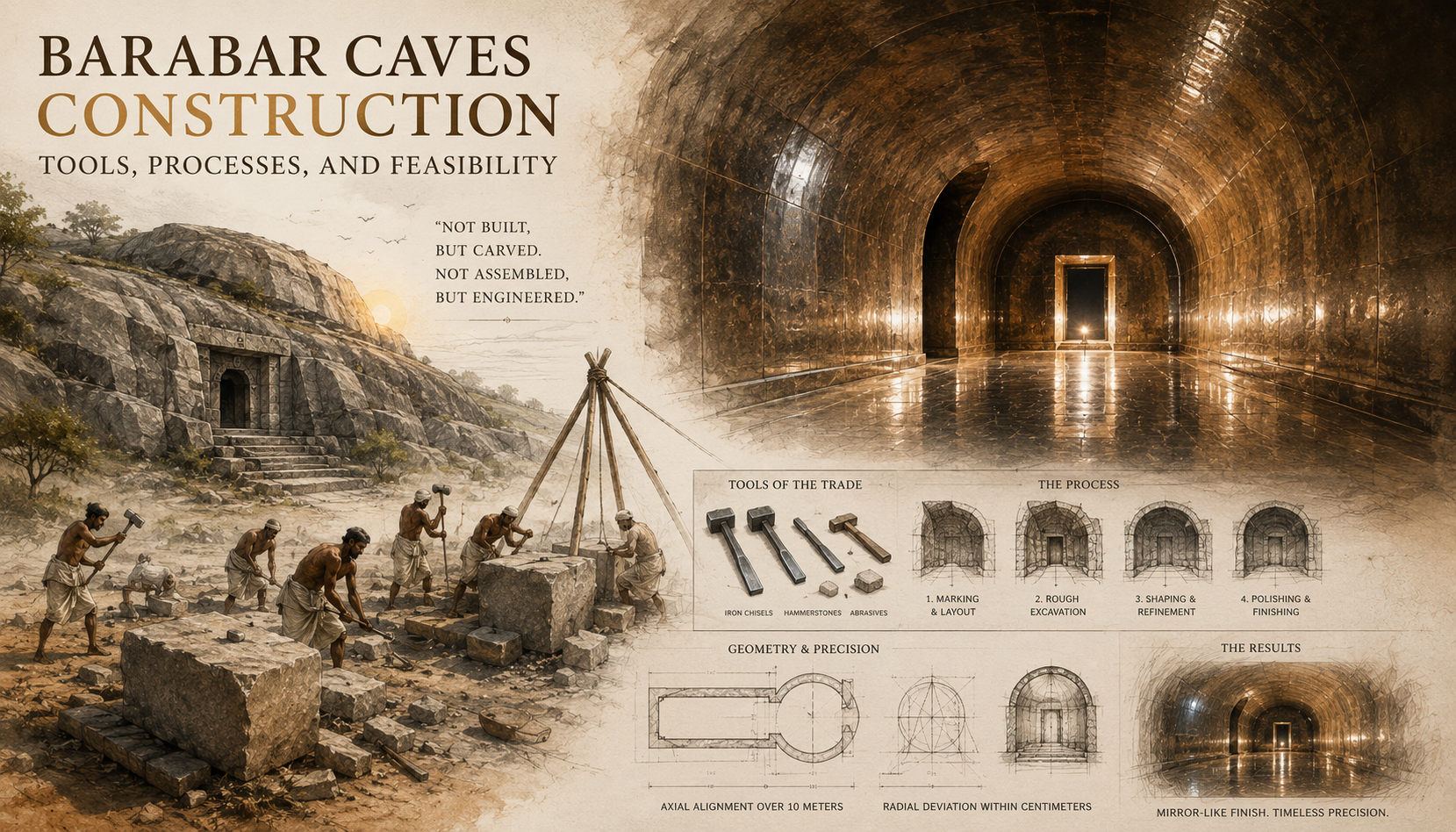
One of the most notable aspects of Stone Functional Material is the precision with which many stones were shaped and finished. In several sites, surfaces appear smooth, aligned, and fitted with minimal gaps. This level of finishing may serve multiple purposes:
- improving structural stability
- reducing weathering effects
- enhancing interaction between adjoining blocks
In some cases, surface treatment goes beyond what is required for structural integrity, suggesting that additional considerations may have been involved. These could include aesthetic, symbolic, or functional factors that are not fully understood today (Prehistoric Construction Management: Systems Before Theory aricle).
Stone Functional Material and Environmental Integration
Stone Functional Material is also evident in how structures interact with their environment. Many ancient constructions are positioned in relation to:
- solar orientation
- wind patterns
- water flow
This suggests that stone was part of a broader system, where material choice and placement were integrated with environmental conditions. Rather than isolated construction, this approach reflects a coordinated understanding of natural forces (Knowledge Loss Cycles and System Reset article).
Such integration reinforces the idea that stone was used as an active component within a system, not merely as a passive element. Ancient civilizations may have recognized that certain locations amplified environmental stability, agricultural productivity, or human wellbeing through the interaction of terrain, water, sunlight, and stone. In places such as Egypt, Peru, and Mesoamerica, structures were often aligned with solstices, equinoxes, and celestial cycles, indicating that architecture was connected to seasonal rhythms essential for farming and resource management. Large stone platforms and terraces may also have moderated temperature fluctuations, retained moisture, and protected fertile land from erosion, creating controlled agricultural environments. Some researchers have proposed that stone placement near underground water channels or fault lines was intentional, suggesting an awareness of subtle geophysical activity within the landscape. Whether interpreted symbolically or functionally, these patterns imply that ancient builders sought to live in balance with planetary systems rather than imposing purely artificial environments upon them.
Stone Functional Material and Resonance Hypotheses
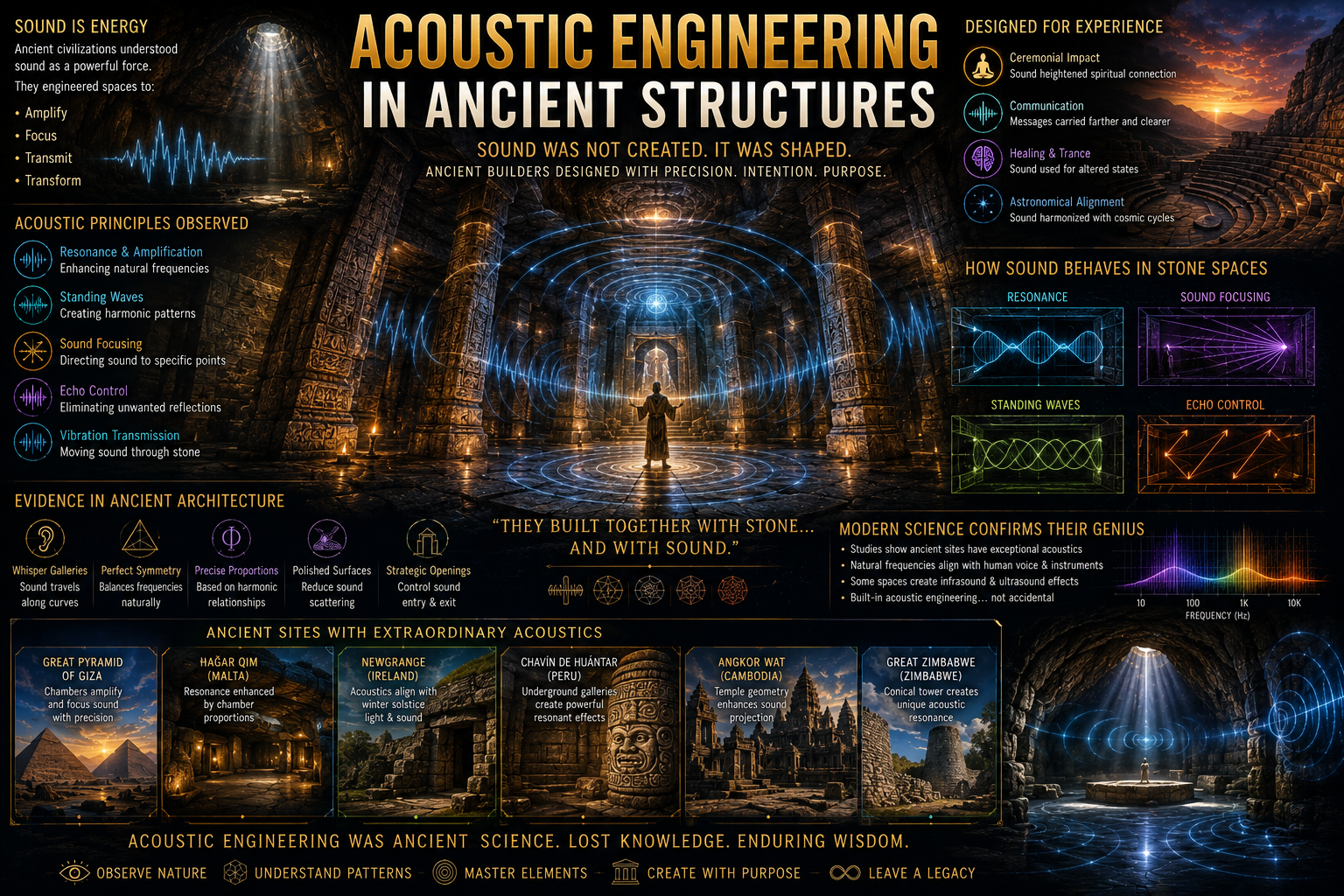
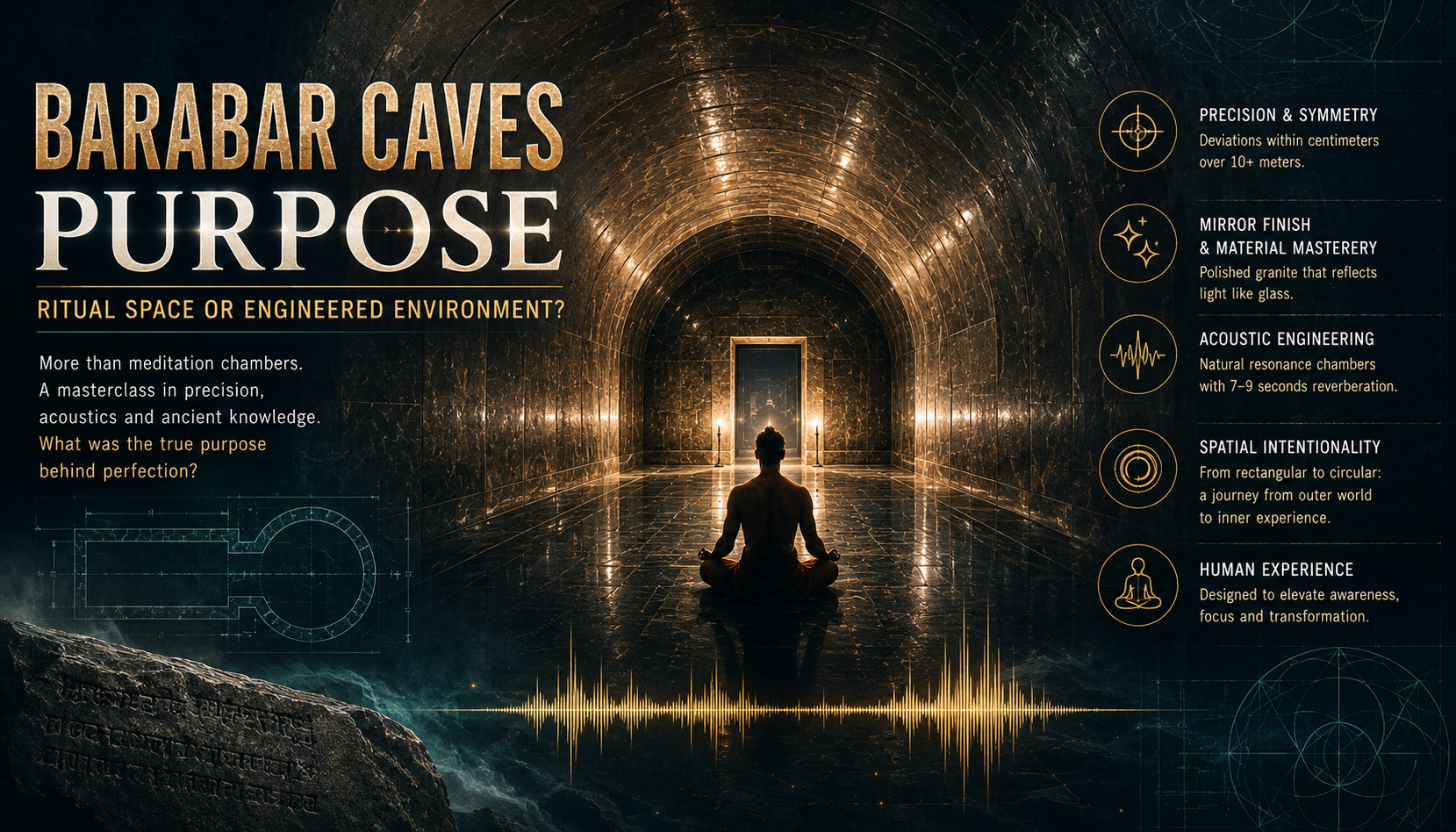
Some interpretations of Stone Functional Material explore the possibility that certain stones were selected for their acoustic or vibrational properties. While this area remains speculative, it is based on observable differences in how materials respond to sound and vibration.
Certain stones can resonate or transmit vibrations more effectively than others. If such properties were recognized, they may have influenced material selection in specific contexts (Cultural Memory Cataclysms Flood Myths article).
It is important to approach this cautiously. The evidence does not confirm intentional acoustic design in all cases, but it opens a line of inquiry that intersects with the next stage of this series. Nevertheless, many ancient sites contain chambers, corridors, and enclosed spaces that produce unusual acoustic effects when exposed to chanting, percussion, or environmental frequencies. Granite, for example, contains quartz crystals capable of piezoelectric responses under pressure, leading some researchers to question whether ancient builders observed energetic effects associated with vibration and compression. Temples and underground chambers may therefore have served not only ceremonial purposes but also acted as environments designed to concentrate resonance, amplify sound, or alter sensory perception. In agricultural societies, rhythmic sound and vibration were often associated with fertility rituals, seasonal transitions, and the harmonization of communities with natural cycles. While modern interpretations must avoid exaggerated claims, the repeated appearance of resonant architecture across civilizations suggests that ancient cultures may have possessed a more advanced practical understanding of vibration, material behavior, and environmental energy than is commonly assumed (Yuga Cycles and Mythological Time Systems article).
Limits of Interpretation
While the concept of Stone Functional Material provides a broader framework, it must be balanced with evidence. Not all features require complex explanations, and some patterns may result from practical constraints rather than advanced design. Key limitations include:
- incomplete preservation of sites
- lack of written documentation
- modern reinterpretation of ancient methods
These constraints mean that conclusions remain provisional. The goal is to expand interpretation without overextending it. At the same time, the absence of complete evidence should not automatically exclude the possibility that ancient civilizations developed sophisticated empirical knowledge over long periods of observation and experimentation. Many technologies throughout history were practiced successfully centuries before their underlying scientific principles were formally understood or documented. Ancient farmers, builders, and navigators may have accumulated generations of practical knowledge related to stone behavior, soil conditions, seasonal cycles, and environmental energy without expressing these ideas in modern technical language. The challenge for contemporary researchers lies in distinguishing between unsupported speculation and legitimate patterns that suggest intentional design and material understanding. A balanced interpretation therefore requires openness to complexity while remaining grounded in observable evidence and comparative analysis (Ancient Energy Systems article).
Stone Functional Material and System Thinking
When viewed within the broader context of ancient engineering, Stone Functional Material supports the idea that construction was system-based. Material selection, shaping, placement, and environmental integration may have worked together as part of a unified approach.
This perspective aligns with patterns observed across different regions and time periods, suggesting that similar principles may have been applied in varied contexts (Climate Reversal: Older Dryas and Younger Dryas).
Rather than focusing solely on tools or techniques, this approach emphasizes relationships between elements. Ancient civilizations may have understood that architecture, agriculture, astronomy, and environmental management functioned most effectively when designed as interconnected systems rather than isolated disciplines. Irrigation canals, ceremonial centers, storage facilities, and megalithic structures were often positioned in coordinated ways that reflected both practical utility and cosmological order. In some regions, stone constructions appear to stabilize landscapes, redirect water, regulate temperature, or create durable agricultural terraces capable of supporting large populations over extended periods. Such achievements imply a sophisticated understanding of how materials interacted with climate, terrain, and human activity on a systemic level. This broader perspective suggests that ancient engineering may have been less focused on domination of nature and more concerned with alignment, balance, and long-term sustainability within planetary cycles (Ancient Solar and Lunar Calendar article).
Conclusion
Stone Functional Material offers a framework for reinterpreting ancient construction as a system of applied knowledge rather than a collection of isolated techniques. By considering the physical properties of stone, its environmental context, and its role within larger structures, it becomes possible to explore how ancient builders may have engaged with materials in a more deliberate and integrated way. While definitive conclusions remain limited, this perspective opens a path for further investigation—one that connects material science, engineering, and the enduring question of how knowledge was developed and applied in the ancient world (Pyramids Not Tombs: What were they? Part1 – Part2 – Part3).
Expanding this perspective encourages a reconsideration of how advanced ancient knowledge may actually have been, particularly in relation to energy, agriculture, and environmental adaptation. Rather than viewing early civilizations as technologically primitive, it may be more accurate to see them as operating within a different scientific framework rooted in direct interaction with natural systems. Through observation of stone behavior, celestial movement, water cycles, and landscape dynamics, ancient cultures could have developed practical methods for maximizing environmental harmony and resource efficiency (Serapeum Energy and Resonance article). The recurring appearance of durable megalithic architecture, precise alignments, and resilient agricultural systems across distant civilizations suggests that sophisticated principles may have been independently recognized and refined over thousands of years. Whether these systems were primarily symbolic, functional, or a combination of both, they continue to demonstrate that ancient societies possessed forms of material and environmental knowledge that modern interpretations are only beginning to reconsider.
References and Further Reading
ResearchGate – Studies on ancient materials and engineering (link)
John A. Burke, Seed of Knowledge, Stone of Plenty (link)
Christopher Dunn, The Giza Power Plant (link)
ResearchGate – Studies on cultural transmission and knowledge systems
NASA – Climate change and Earth system dynamics (link)
Research on cultural transmission and collective memory
Studies on climate instability and post-Ice Age sea level rise (link)
Geological evidence surrounding the Younger Dryas period (link)
Research into megalithic architecture and archaeoastronomy
Richard B. Alley, The Two-Mile Time Machine
Ancient Energy Systems: Myth or Technology? (link)
Ancient Hyper Forests and Giant Trees (link)
Pre Flood Civilization and Environmental Collapse (link)
Was the Ancient World Phisically Different? (link)
Giant Humans Before the Younger Dryas (link)
Ancient Construction Project Management (link)
Ice Age Civilization Lost Worlds Before Floods (link)
Lost Knowledge of Ice Age Rewritten History (link)
Ice Age Knowledge Science Before Younger Dryas (link)
Geometry and Earth Scaling (link)